Welcome to Bosnia and Herzegovina
Locals welcome visitors with legendary warmth—you enter as a guest and leave as family. Bosnian coffee, traditionally prepared in a džezva, is central to this hospitality ritual served in cozy kafanas.
Bosnia blends Eastern and Western influences beautifully. Sarajevo, the 'Jerusalem of Europe', showcases mosques, Orthodox churches, Catholic cathedrals, and synagogues within walking distance.
Kravica Waterfalls cascade into turquoise pools, while the Una River winds through pristine forests. Sutjeska National Park harbors one of Europe's last primeval forests with 300-year-old trees.
Bosnian cuisine blends Ottoman, Mediterranean, and Central European flavors. Ćevapi, burek, and begova čorba showcase fresh ingredients and time-honored preparation methods.
Sarajevo is one of the few cities where you can find mosques, Orthodox churches, Catholic cathedrals, and synagogues within a few blocks—earning it the nickname 'Jerusalem of Europe.'
The Gazi Husrev-beg Mosque in Sarajevo, built in 1531, stands as one of the finest examples of Ottoman architecture in the Balkans and remains an active place of worship.
During the Siege of Sarajevo (1992-1996), the 800-meter Tunnel of Hope provided the city's only link to the outside world, sustaining survival through one of modern history's longest sieges.
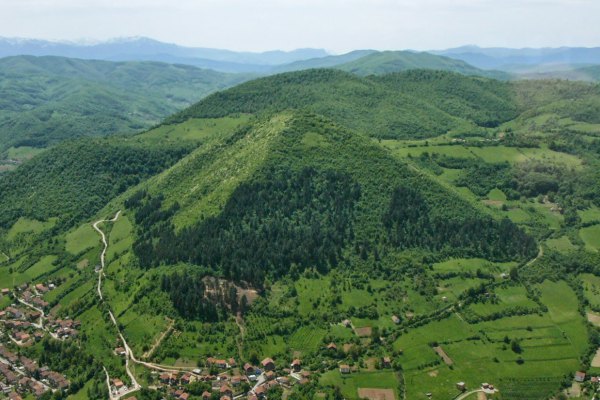
The Bosnian Pyramid of the Sun near Visoko stands 220 meters high—taller than Egypt's Great Pyramid. Whether natural formation or ancient structure, it attracts thousands of visitors annually.
Good morning = Dobro jutro
Good day = Dobar dan
Good evening = Dobro veče
Good night = Laku noć
Yes = Da
No = Ne
Please = Molim
Thank you = Hvala
I would like = Ja bih želeo
The check (bill) = Račun bilo
Water = Voda
Cheers! = Živjeli!
Delicious! = Ukusno!
How much is this? = Koliko košta?
Where is the bathroom? = Gdje je toalet?
I don't understand = Ne razumijem
Help! = Pomoć!
Where is? = Gdje je?
Ticket = Karta
Left = Lijevo
Right = Desno
Approach
Bosnia and Herzegovina offers an extraordinary journey through time and culture. Sarajevo’s old town, Baščaršija, transports visitors to Ottoman times with its cobblestone streets, traditional craft shops, and aromatic coffee houses. The country’s natural wonders—from Kravica’s cascading waterfalls to the emerald waters of the Neretva River—provide endless adventures. Bosnia’s warm hospitality ensures visitors feel welcomed as family, not tourists.
History
Bosnia’s strategic location made it a crossroads of empires and cultures for millennia. Medieval tombstones (stećci) dot the landscape, testament to the independent Bosnian kingdom. Ottoman rule (1463-1878) introduced Islam and left architectural masterpieces like bridges, mosques, and bazaars. Austro-Hungarian administration (1878-1918) brought European influences. The 20th century saw Yugoslavia, the devastating 1992-1995 war, and eventual independence. This layered history created a unique cultural tapestry where East truly meets West.
Politics and National Pride
Bosnia and Herzegovina operates under a complex power-sharing arrangement between its constituent peoples. Despite governance challenges, Bosnians share deep pride in their resilience and cultural heritage. The Siege of Sarajevo (1992-1996) demonstrated remarkable courage, with the Tunnel of Hope becoming a symbol of survival. Today, young Bosnians work toward European integration while celebrating their distinct identity. National pride manifests in sports achievements, traditional music, and the famous Bosnian hospitality.
Culture
Bosnia and Herzegovina offers an exceptional blend of Eastern and Western cultural traditions. The sevdah music genre expresses deep emotions through haunting melodies, often compared to Portuguese fado or Spanish flamenco. Sarajevo Film Festival, started during the siege, has become a major cultural event attracting international cinema. Traditional crafts—coppersmithing, carpet weaving, and calligraphy—continue in the old bazaars. Religious festivals from all faiths are celebrated, reflecting the country's pluralistic identity. The coffee ceremony, central to Bosnian culture, represents more than drinking coffee—it's an art form that brings people together for conversation and connection.
Natural Wonders
Bosnia's diverse terrain offers spectacular natural attractions year-round. The Kravica Waterfalls create a stunning amphitheater of cascading water, perfect for swimming in summer. Sutjeska National Park protects Perućica, one of Europe's last primeval forests, where ancient trees tower over pristine wilderness. The Rakitnica Canyon challenges adventurers with dramatic gorges and white-water rafting. Winter transforms mountains like Bjelašnica and Jahorina into ski paradises, venues of the 1984 Winter Olympics. The Una National Park showcases emerald rivers, waterfalls, and medieval fortresses. Whether hiking, rafting, skiing, or simply enjoying the scenery, Bosnia's nature captivates outdoor enthusiasts.